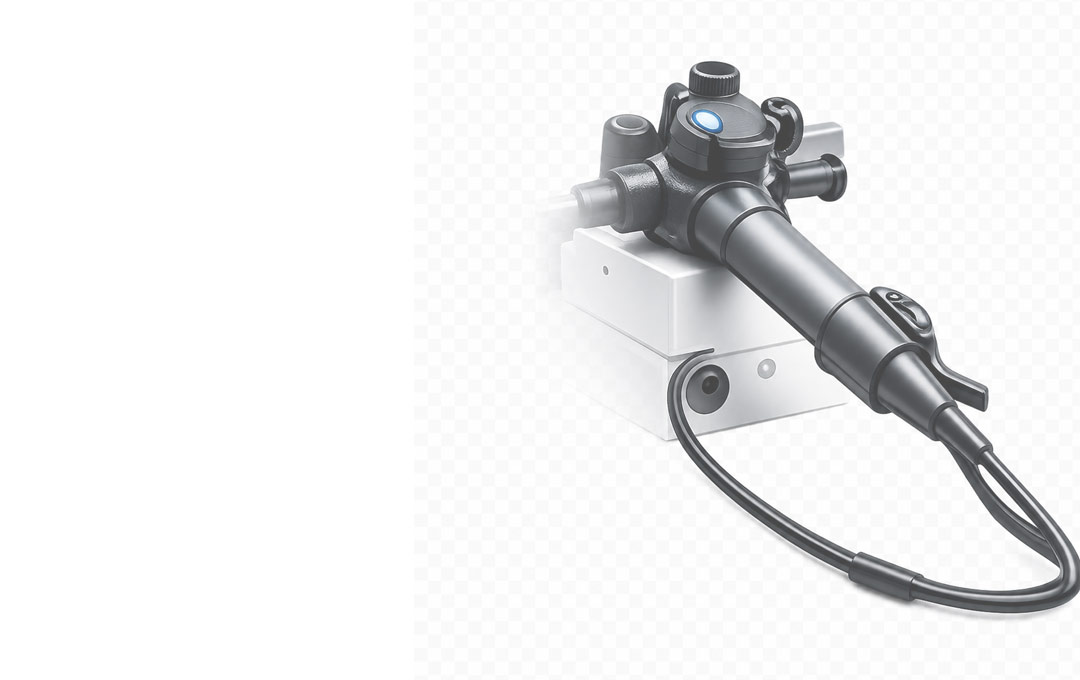
Beyond Sterilization...
HDROZONE
Advanced Reactive Sterilization System Engineering
Powerful, safe low‑temperature sterilization using hydronium ions, ozone, hydrogen peroxide and gas plasma
HdrOzone Story

A PARADIGM SHIFT IN STERILIZATION!
HdrOzone
Hydronium Sterilization Method
Next‑Generation Sterilization Platform

Global Threats in Sterilization
Superbugs, biofilms, resistant infections, the endoscope crisis, prions and other hard-to-kill agents.

Ultra Low Temperature
37–45°C effective sterilization that preserves next‑generation polymers and sensitive optical instruments.

Reactive Chemistry
Synergistic combination of reactive species for superior microbial kill — Hydronium Heavy‑Molecule Technology.

Long Lumen Sterilization Capability
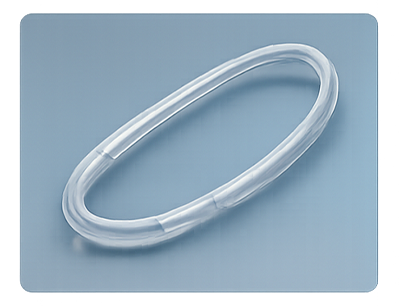
Validated performance for full loads in lumens up to 15 m long with 2 mm internal diameter.

Material Compatibility
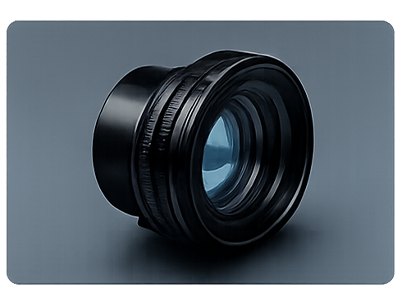
Safe for polymers, optical materials, elastomers, flexible endoscopes and complex medical devices.

Scientifically Proven
Patented technology with comprehensive validation and international certification — Hydronium Heavy‑Molecule Sterilization Method.
THE WORLD NEEDS A NEW STERILIZATION SOLUTION !

Superbugs and Resistance

Biofilm Formation

Endoscope Crisis

Associated Infections

Prions and Hard‑to‑Kill Agents

37–45 °C
Ultra Low Temperature

1–15 m
Long Lumen Capacity

10-3 torr
High Vacuum Technology

100%
Material Compatibility
HOW DOES HDROZONE WORK?
1 Vacuum Phase

Deep vacuum is applied.
2 H2O2 Phase

Hydrogen peroxide is introduced.
3 O2 / O3 Phase

Ozone is generated and diffused.
4 Reaction Phase

Hydronium‑based sterilization reactions occur.
5 Plasma Phase

Cold plasma activation.
6 Aeration

Return to atmospheric pressure.
Reactive Chemistry Synergy

ROS Network Sterilization
The synergy of reactive oxygen species (ROS) and hydronium ions (H3O*) provides effective and safe sterilization by adsorption‑mediated targeting of microbial cell walls, membranes, proteins and nucleic acids.
Learn MoreSterilization Window

- Ultra low temperature
- Low H2O2 concentration
- Low energy consumption
- High material compatibility
- Long lumen capability
Non‑Destructive Sterilization


Scientific Validation
Patented Technology

CE Certified

ISO 13485

Validation Reports

Biological Indicators

Corrosion Testing

Material Compatibility

Clinical Evaluations